
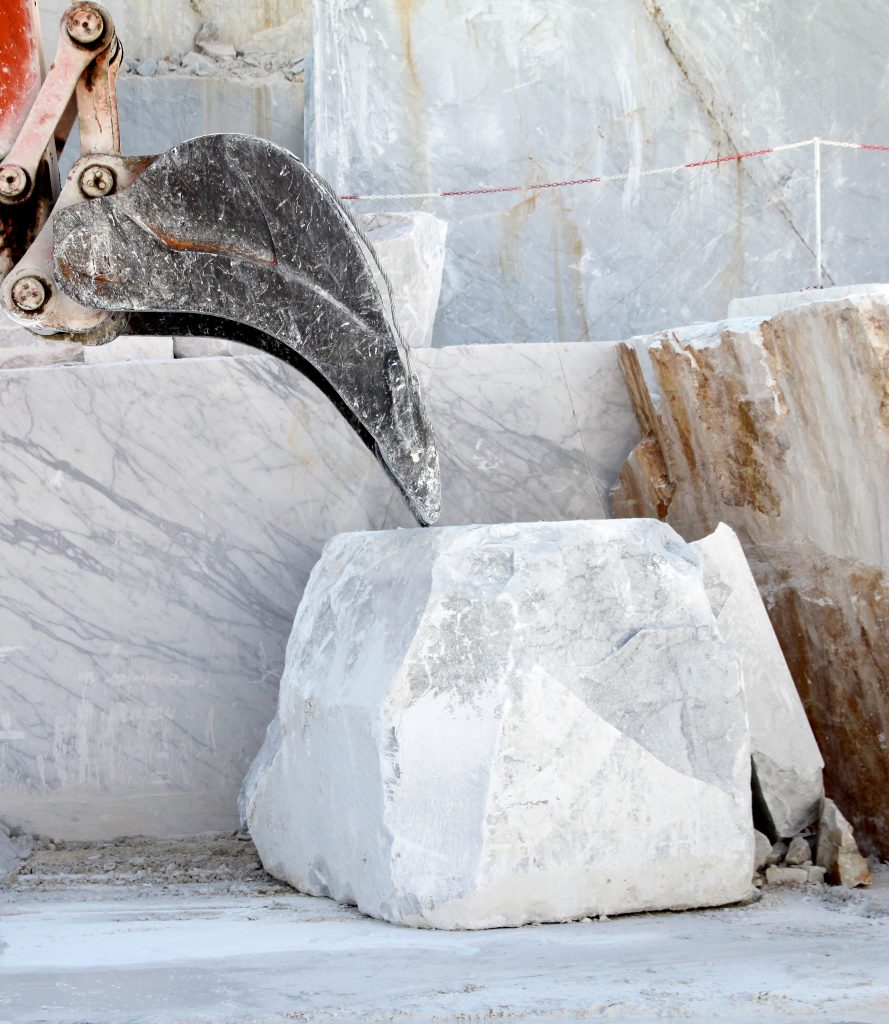
Learn more about natural stone
Natural stone has been used in construction and design for thousands of years. From ancient monuments and historic buildings to contemporary residential and commercial projects, natural stone is valued for its durability, distinctive character and timeless appearance. Each stone is unique. Its colour, veining, mineral composition, porosity, hardness and surface characteristics can vary from one piece to another. These natural characteristics influence the stone’s appearance, performance, maintenance requirements and suitability for different applications.
Categories of Stone
Natural stone is classified according to how it was formed within the earth.
- Igneous Rock – Formed through the cooling and solidification of molten rock. Examples include Granite and Basalt.
- Sedimentary Rock – Formed through the deposition, compaction or chemical precipitation of sediment and minerals over time. Examples include Limestone, Travertine, Sandstone and Dolostone.
- Metamorphic Rock – Formed when existing rocks are altered by heat, pressure and geological processes. Examples include Marble, Slate, Schist, Quartzite and Gneiss.
- Agglomerated Stone – A manufactured stone product made by combining natural stone, mineral or other aggregates with a binder such as resin or cement. While agglomerated stone contains natural mineral or stone components, it is a manufactured product rather than a naturally occurring geological rock.
Grades of Stone
Stone may be commercially described using terms such as Premium Grade, Standard Grade and Commercial Grade. These descriptions generally relate to the level of aesthetic selection, colour consistency, natural variation, surface characteristics and manufacturing tolerances.
These terms are not universally standardised grades and definitions may vary between suppliers, quarries, stone types and markets. A particular grade should therefore be assessed against the supplier’s stated specifications and the characteristics of the individual stone.
- Premium Grade – Generally selected for a higher level of colour consistency, desirable veining, appearance and finish, with close attention to thickness, sizing and overall presentation.
- Standard Grade – Generally contains a greater degree of natural variation, including differences in colour, veining, pores or minor fissures, while still meeting the relevant product specifications.
- Commercial Grade – Generally permits a greater degree of natural variation and visible characteristics, which may include more variation in colour, veining, pores, fissures, surface characteristics, sizing or finish.
A commercial grade does not necessarily indicate inferior structural performance. Technical performance should always be assessed from the relevant product specifications and test data rather than from commercial grading terminology alone.
Colour and Natural Variation
Natural stone is a product of nature, and variation in colour, veining, movement, pattern, texture and mineral composition is an inherent characteristic of the material.
Depending on the stone, natural characteristics may include:
- Variation in colour and tone
- Veining and mineral movement
- Fossils or shell formations
- Natural pits and pores
- Fissures and healed fissures
- Crystalline formations
- Changes in texture and surface character
These characteristics are not necessarily defects and should be expected when selecting natural stone.
Samples, photographs and display pieces are intended as a guide only and may not represent the full range of variation within a particular batch, quarry or production run.
Where appearance is important, tiles or slabs should be inspected and, where practical, dry-laid prior to installation. This allows the installer and client to assess the natural variation and determine the preferred layout and visual distribution of the material.
Surface Finishes
The surface finish can significantly influence the appearance, texture, maintenance requirements and slip performance of stone.
The suitability of a particular finish depends on the stone type, application, location and required performance.
Honed – A smooth, low-sheen finish with a soft or satin appearance. Honed surfaces generally have less reflection than polished surfaces and can provide a more understated, natural appearance.
Polished – A highly refined, glossy finish that enhances the depth, colour and veining of the stone. Polished stone is commonly used for interior walls, floors, vanities, benchtops and feature applications. Because polished surfaces can become slippery when wet, suitability for areas exposed to water or contaminants should be assessed using the appropriate slip-resistance testing and project requirements.
Sandblasted – A textured finish created by abrasive blasting of the stone surface. It produces a more pronounced texture and can alter the appearance and tactile characteristics of the stone. The slip resistance of a sandblasted surface depends on the specific stone, finish and test conditions and should not be assumed solely from the name of the finish.
Flamed – A textured finish produced by exposing suitable natural stone, typically certain types of granite, to intense heat. The process alters the surface texture and can create a more natural, matt appearance. Flamed finishes are commonly considered for external paving and other applications where a textured surface is desirable. Actual slip performance must be confirmed by testing the specific product and finish.
Tumbled – A mechanically distressed finish that produces softened edges and an aged or weathered appearance. Tumbled stone is commonly used where a rustic, traditional or informal aesthetic is desired.
Brushed / Leathered – A textured finish that enhances the natural character of the stone while producing a low-sheen or matt appearance. Depending on the stone and process used, brushed or leathered finishes can highlight natural variations and provide a tactile surface.
Types of Stone
Agglomerate
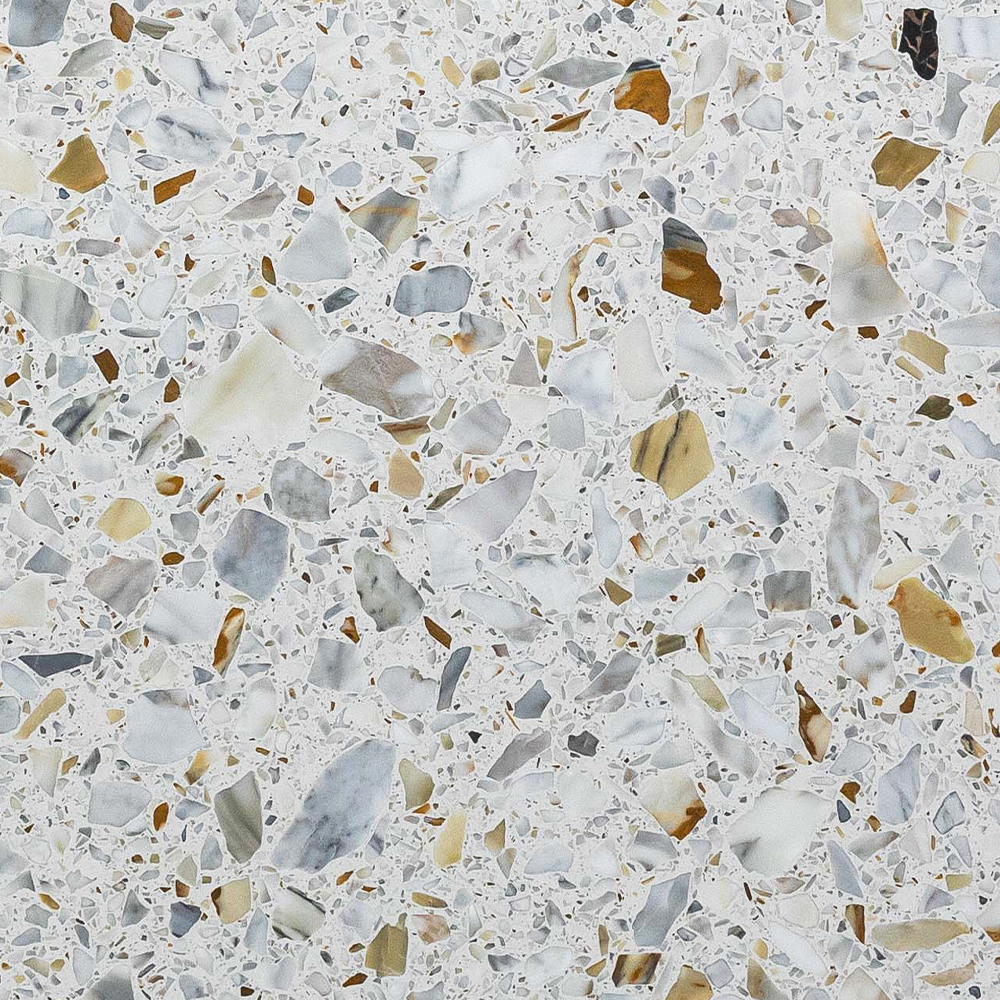
- Agglomerated stone is a manufactured stone product produced by combining natural stone, mineral or other aggregates with a binder such as resin or cement.
- Agglomerated products can offer greater consistency in colour, aggregate distribution and pattern than many natural stones, although variation can still occur between batches and products.
- Maintenance and sealing requirements vary according to the composition, binder, aggregate, surface finish and manufacturer’s recommendations. Always follow the care and maintenance instructions provided for the specific product.
Dolomite
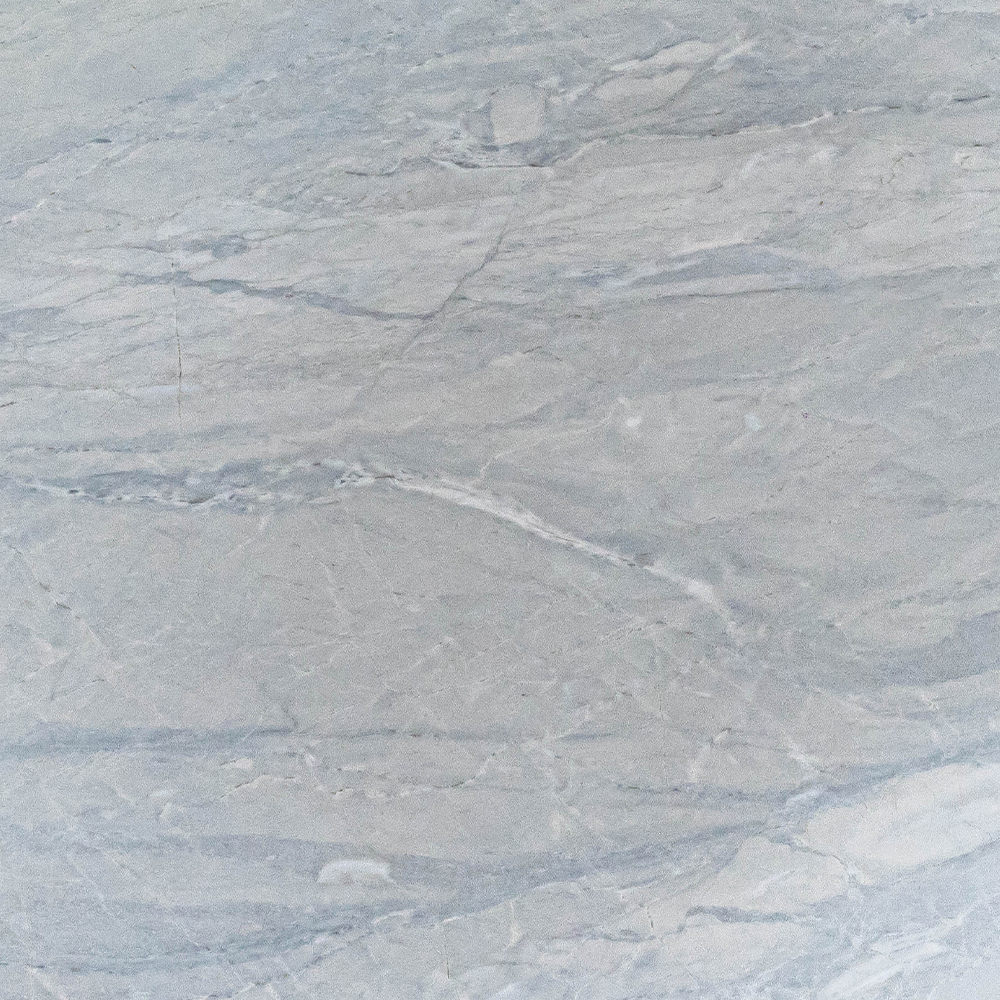
- Dolomite is a carbonate rock composed predominantly of the mineral dolomite. It may occur as sedimentary dolostone or as metamorphosed dolomitic marble.
- Dolomite is commonly recognised for its light colours and distinctive veining, with white, cream, grey and other tones occurring depending on mineral composition.
- Dolomitic stones can be harder and more abrasion-resistant than many conventional marbles, although performance varies according to the stone’s composition and geological formation.
- Like other carbonate stones, dolomite can be sensitive to acidic substances. Sealing may be recommended depending on the stone, finish and application, but sealing does not make the stone acid-proof or prevent etching.
Granite
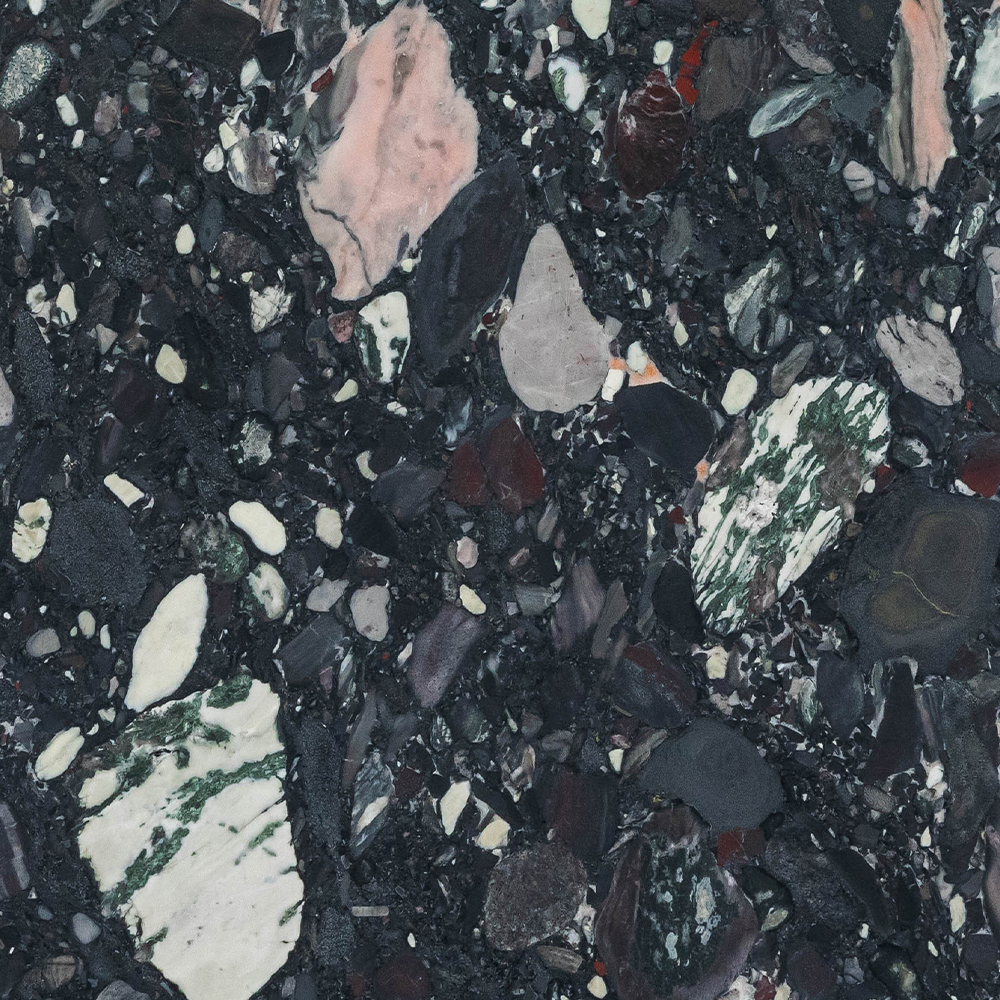
- Granite is an igneous rock formed through the slow cooling and solidification of molten rock beneath the earth’s surface.
- It is generally dense, durable and resistant to abrasion and scratching, making it suitable for a wide range of residential and commercial applications.
- Granite commonly displays a crystalline appearance, with colours ranging from whites and creams to greys, blacks, browns, reds, greens and other tones depending on its mineral composition.
- The performance and maintenance requirements of granite vary between stone types and finishes. Some granites may benefit from sealing, particularly in applications where staining is a concern.
Marble
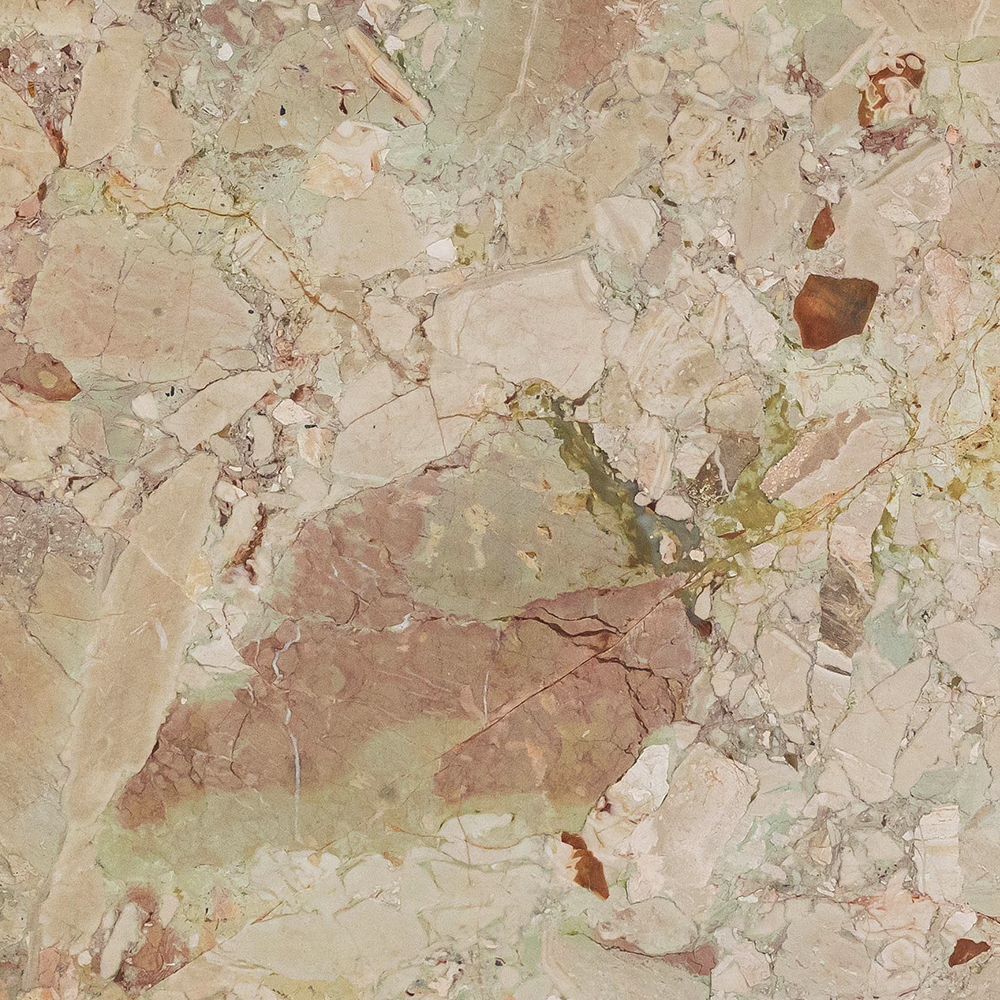
- Marble is a metamorphic stone formed when limestone or other carbonate rock is transformed by heat, pressure and geological processes.
- It is highly valued for its distinctive veining, movement and range of colours, including white, cream, grey, pink, green, brown and darker tones depending on its mineral composition.
- Marble is generally more susceptible to scratching and acid etching than harder silicate stones. Acidic substances can react with the calcium carbonate in the stone and may dull or alter the surface.
- Some marble products may require sealing depending on their porosity, finish and intended application. Regular cleaning and appropriate maintenance are important to preserve the appearance of the stone.
Quartzite
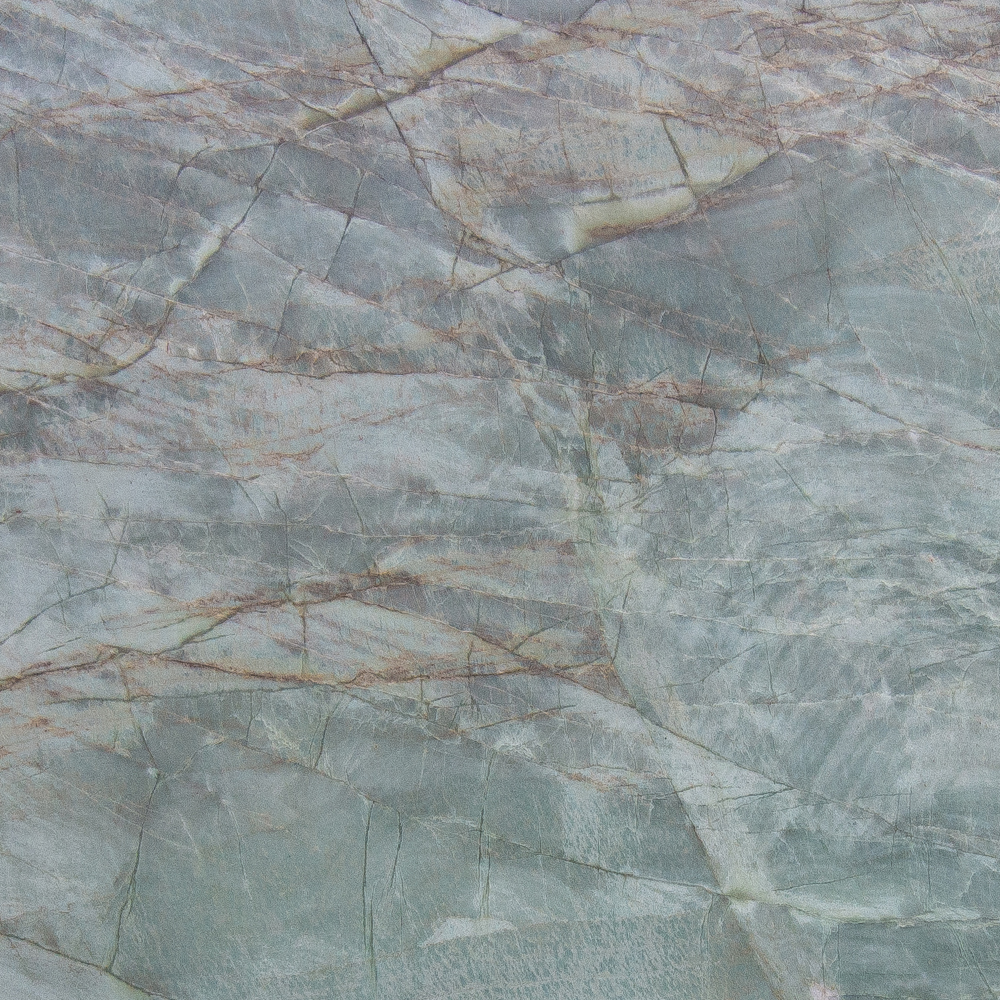
- Quartzite is a metamorphic rock formed when quartz-rich sandstone is subjected to heat and pressure, causing the original grains to recrystallise and become tightly bonded.
- True quartzite is generally a hard and durable stone with good resistance to abrasion and scratching. However, natural stone sold commercially under the name “quartzite” can vary considerably in composition, so the technical characteristics of the specific product should always be confirmed.
- Quartzite colours can range from whites, creams and greys to pinks, greens, blues and other tones depending on mineral impurities and geological formation.
- Although quartzite is generally durable, its porosity, finish and maintenance requirements can vary. Sealing may be recommended depending on the specific stone and application.
Travertine
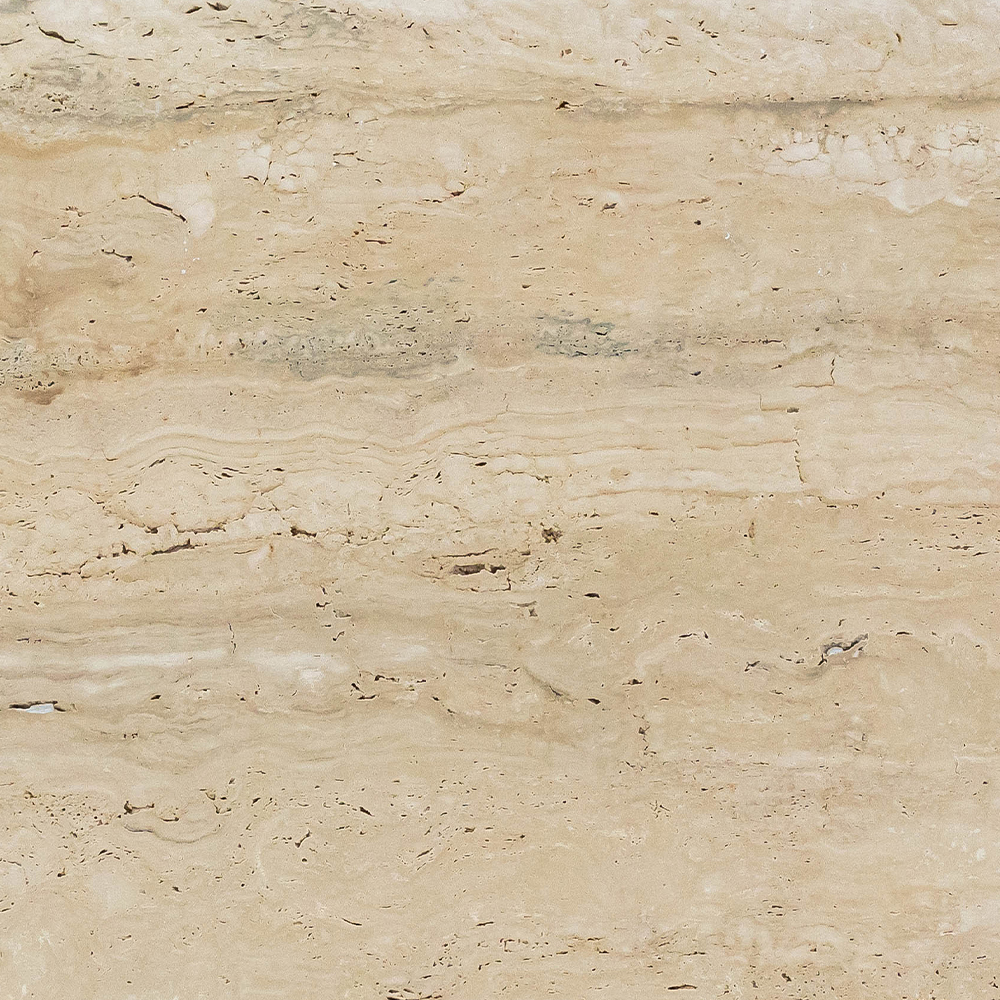
- Travertine is a form of limestone formed through the precipitation of calcium carbonate, commonly around mineral springs and other water environments.
- It is recognised by its characteristic natural pores, voids, veins and layered appearance. Colours commonly range from white and cream to beige, tan, brown and other earth tones.
- Travertine can be supplied in filled or unfilled forms. Filling the natural voids produces a more uniform surface, while unfilled travertine retains more of its natural texture and character.
- Common finishes include honed, brushed, tumbled and other textured or refined finishes.
- Due to its natural porosity, travertine may benefit from sealing, particularly in areas exposed to moisture, staining or heavy use. The appropriate sealer and maintenance regime should be selected according to the specific stone, finish and application.
Selecting the Right Stone
The suitability of natural stone should be assessed according to both its aesthetic characteristics and its technical performance.
When selecting stone, consider:
- Intended application and location
- Internal or external use
- Exposure to water, moisture or contaminants
- Slip-resistance requirements
- Porosity and water absorption
- Resistance to abrasion and scratching
- Exposure to acids or chemicals
- Expected traffic and wear
- Surface finish
- Cleaning and maintenance requirements
- Sealing requirements
- Installation method and substrate
- Relevant Australian Standards and project requirements
No single stone is suitable for every application. The technical characteristics of the specific stone, finish and product should always be considered rather than relying solely on the general characteristics of a stone category.
Natural Stone: Expect Variation
One of the defining characteristics of natural stone is that no two pieces are necessarily identical. Variation in colour, veining, movement, texture and natural features contributes to the individual character of each stone.
Natural stone should therefore be selected with an understanding that variation is inherent to the product and is part of its natural beauty.
Always inspect the actual material where possible, review the relevant technical information and follow the manufacturer’s recommendations for installation, sealing, cleaning and ongoing maintenance.
DISCLAIMER All material on this website is published in good faith, however Skheme Pty Ltd does not warrant or represent the origin, validity, accuracy, completeness, timeliness, authenticity or reliability of, nor accept any responsibility for errors or omissions, in any material on this website or in any accompanying or other material, including advertisements, whether oral, visual, written, printed or electronic. Skheme Pty Ltd is not liable for any losses, claims, damages, demands, costs and expenses of whatsoever nature arising in any way, including those caused by negligence, out of or in connection with the use of this website, or any accompanying or subsequent information, or by reason of any reliance upon its contents by any person, company or organisation. All access to, and use of, the information is at the user’s risk. All technical details, recommendations and other information contained on this website represent the best of our knowledge and experience at the time of publishment. It is your responsibility to ensure that our products are used and handled correctly and in accordance with any applicable Australian Standard, our instructions and recommendations and only for the uses they are intended. Country specific recommendations, depending on local standards, codes of practice, building regulations or industry guidelines, may affect specific installation recommendations. The supply of our products & services is also subject to certain terms, warranties and exclusions, which may have already been disclosed to you in prior dealings or are otherwise available to you on request. Skheme reserves the right to alter, amend, vary or otherwise change any information on this website at any time and without prior notice to you to reflect our ongoing research and development program. The provision of any URL or link is done for the convenience of users of this website. It does not constitute an endorsement by the Skheme of that URL or link or the information at that Internet site. Potential customers should speak to a Skheme consultant regarding the qualities, colours and textures of all Skheme products before purchase.